I’m an ex-banker. This theory saved me tens of thousands
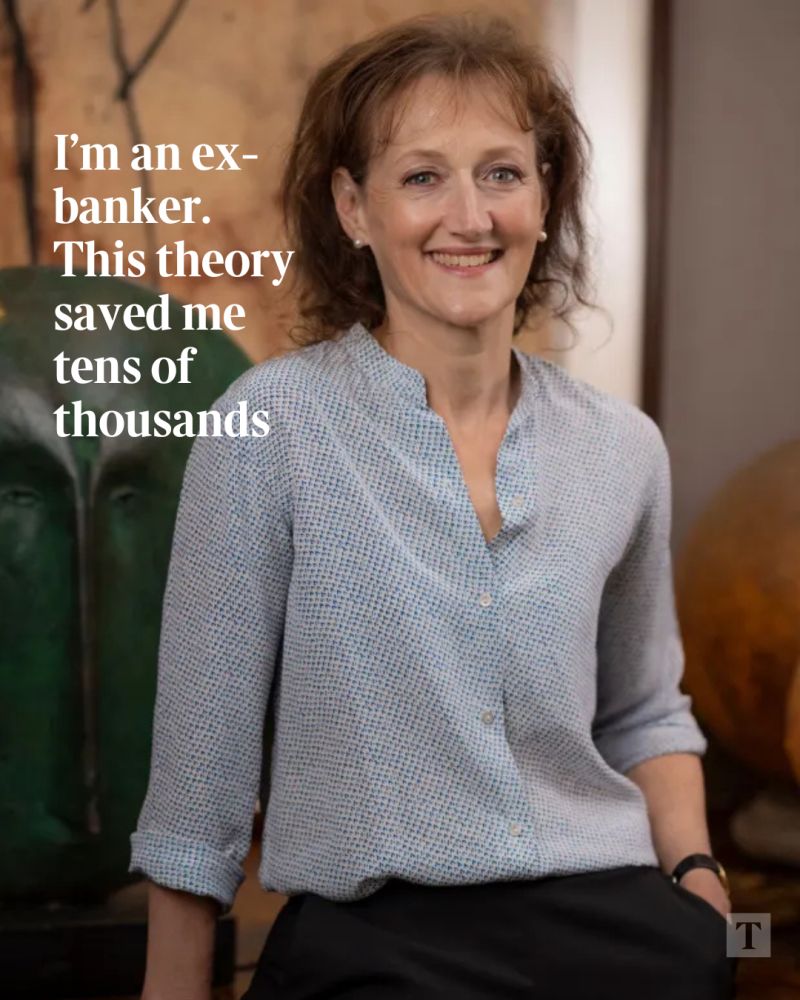
The following column by Charlotte Ransom appeared in The Times on Monday 1 December. It focuses on the three pot theory.
Let’s face it, life can feel chaotic even at the best of times. It’s a relentless balancing act of careers, children, relationships, social commitments — the list goes on.
I know the feeling all too well. For years I worked flat out at Goldman Sachs, raising four children with my husband, trying to keep up with friends and family. All the while I serially put off any kind of structured personal money management. Instead I watched my financial clutter pile up.
I was fortunate enough to be well paid but whatever one’s job, and regardless of pay, sorting through your financial affairs can pay huge dividends not just financially but also emotionally.
The three pot theory
We’re a country still living in a state of savings inertia. More than £614 billion of UK savings is still held in excess cash, which is defined as a cash amount greater than an individual’s net income in a six-month period. That’s money lying bone idle in one big pile instead of being put to work.
This will feel particularly painful once the government brings in reforms designed to tax savings more rigorously than ever.
But regardless of policy we all know that deposit accounts don’t tend to pay attractive savings rates. Often they are lower than the rate of inflation, which means the real value of your money can decline over time, especially after you’ve paid tax on any interest you make that exceeds your measly personal allowance threshold.
It’s high time that more people split out their savings to make full use of their tax-free allowances and benefit from inflation-beating returns.
There’s a simple but transformational framework that can help you do this efficiently regardless of how much money you have. I call it the three pot theory — and it’s saved me tens of thousands of pounds.
You’re probably already living it to some degree but the key is to do it deliberately.
Pot 1: liquid base
This is your current account: the cash-in, cash-out zone. It’s your salary’s landing spot and the safety net for daily bills, groceries, dinners, subscriptions and mortgage payments. Keep it liquid and simple because this pot powers your day-to-day spending.
Pot 2: The “sleep well” core
This is your growth engine — Isas, pensions and taxable investment accounts. It’s where you build steady, inflation-beating returns. Think medium to long-term commitments. So the children’s education costs, that next house deposit, your retirement income and other big-ticket items. You’re aiming for what I call “sleep well” returns.
Pot 3: The “passion” play
This is your high-upside, higher-risk arena. It’s your bricks-and-mortar property, second homes, buy-to-let, stocks in ventures you love, fine wines — whatever floats your investment boat. It’s exciting and rewarding but you can’t bank on it for day-to-day living. And, most important of all, it’s definitely not to be relied on to support you over many years of old age.
A real-life example
Let’s walk you through these pots in action.
Pot 1
Salary lands here every month to pay the bills and keep the household running.
Pot 2
My Isas and pension go in here. I keep them topped up as much as possible — to max out the tax advantages — and aim to outrun inflation and set up a reliable base of investment returns. School fees (they seem to last for ever) and, eventually, retirement get funded from here too. Pot 2 serves as the grease that oils the wheels and can be used — in measured amounts — to send money over to Pot 3 to fund any new “passion” projects or to top up Pot 1.
Pot 3
Our home, plus Goldman shares and my husband’s entrepreneurial ventures. They’re riskier, volatile — and can be thrilling. This pot brings me joy, not security. As long as Pot 2 is managed in a liquid and transparent way, I can access funds for more Pot 3 “passions” or send proceeds the other way from Pot 3 into Pot 2 — be that from the sale of an asset or from gains on a particular stock when I decide to sell.
Why the blend matters
Too much money in Pot 1 will inevitably lead to wasted opportunity. Cash loses value when interest rates are near or below inflation. Today’s average easy-access savings rates hover around 2.3 per cent, while inflation sits at 3.4 per cent. This means that in real terms your savings are shrinking even before paying tax.
Pot 2 can house your Isas and pensions. They should be able to target returns that outpace rising costs at a minimum — properly reliable but unlikely to set your heart racing. Pot 3 is exciting but less reliable. Let it be the extra, not the foundation.
• Don’t let Pot 1 become a dumping ground — cash values erode fast.
• Pot 2 is your sleep-well sanctuary — steady, tax-efficient growth has a compound effect and the benefit of this is realised in medium to long-term investing and especially later in life.
• Pot 3 is your passion playground — exciting, fulfilling but not for covering the bills or your core financial goals.
I hadn’t sorted through my pots for years. Now I’ve ruthlessly stuck to this model for more than a decade and it’s been a total game-changer. I feel more in control, I can see everything more clearly and the weight of disorganisation I so often felt has lifted. A sharper financial structure will inevitably lead to fewer headaches, more freedom and allow space for what truly gets you up in the morning.
Charlotte Ransom is the founder and chief executive of the wealth management firm Netwealth.
You can read the article on The Times here: https://www.thetimes.com/money/saving-investing/article/im-an-ex-banker-this-theory-saved-me-tens-of-thousands-x00pm8xbz