Market Update: Energy crisis and interest rate changes
Market Update: Energy crisis and interest rate changes
Economic outlook
Before the war, the global backdrop was broadly constructive for markets. Global growth was modest but resilient. Disinflation pointed to modest rate cuts in the US and UK. Markets, though, were conscious of the unpredictability of US policy. Even though military action in Iran was widely anticipated, its scale and the subsequent regional contagion shocked markets.
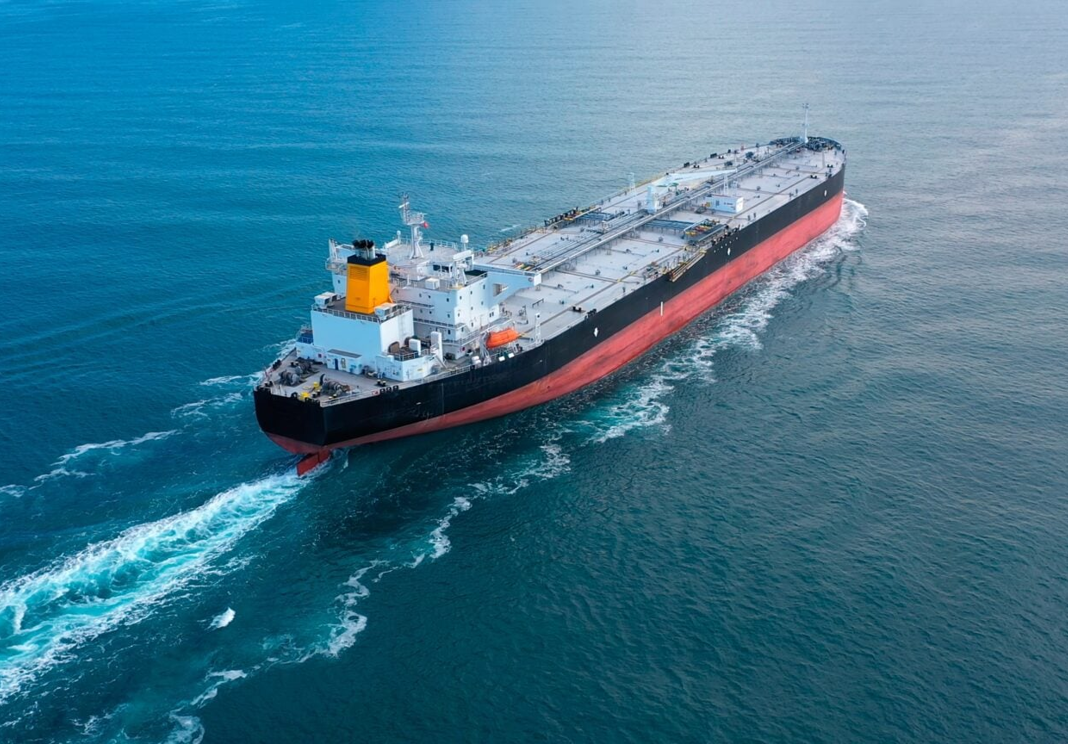
This, and the closure to shipping of the Strait of Hormuz, has led energy prices to rise sharply. If sustained, high energy prices are stagflationary, raising inflation globally, before weakening growth. There are many moving parts. While the US appears keen to declare the elimination of Iran’s military capability and the end of the war, the markets are cognisant that previous wars have dragged on and their attention is focused on the elimination of regional contagion and a reopening of the Strait. This would allow energy prices to ease and the shock to fade. Until that happens, markets will fear stagflation. But even when energy prices fall, they may not return immediately to pre-war levels because of damage to production facilities and where they settle will be impacted by economic prospects.
The reaction of markets shows that they believe the US economy will be more insulated from events in Iran than other economies. This has provided support for the dollar. Markets suggest higher inflation is the bigger concern and that central banks with a single mandate to control inflation, like the Bank of England (BOE) and European Central Bank, will have to hike rates. Although the BOE voted 9-0 to keep rates unchanged in March, its tone was hawkish, with market rates and yields now significantly higher than before the war. In contrast, because of its dual mandate to focus on jobs as well as inflation, the Fed is still expected to ease.
A UK recession could now be possible. Effectively, markets have already tightened UK monetary policy significantly. This will exacerbate the deterioration in the UK jobs market that was already evident before the war. The messaging from the BOE may even feed inflation expectations, not curb them. In addition, uncertainty about the future of NATO may reinforce the upward pressure on bond yields, as the war strengthens the case for higher defence spending and underlines the fiscal pressure facing the UK and western European countries.
Market and portfolio impact
Equity markets have continued their recent weakness this week (w/c 16 March 2026), as investors extend their expectations regarding the duration of conflict in the Middle East and the damage it is doing to energy infrastructure, production and distribution.
Some conclusions can now be drawn, as the US economy and markets are seen as more sheltered from the impact than the rest of the world, due to the combination of energy independence and a favourable equity sector split in contrast to the start of the year. Challenges to the already fragile UK and European growth profiles from the prospect of higher interest rates have seen them ‘catch down’ with Japanese and other markets in volatile trading sessions during March. Counterintuitively in a period of heightened geopolitical risk, this leaves emerging markets as the best performers in 2026, protecting the strong gains from last year. China, following its recent Two Sessions, is seen as resilient, with healthy exports and room for domestic policy manoeuvre.
Source: Bloomberg, with Netwealth calculations. Returns shown in GBP terms.
The US dollar has increased in value against most currencies. We view this less as a return to ‘safe haven’ status as a reassessment of the US’s immediate economic resilience. If anything, once the conflict recedes, it may provide the catalyst for global investors to then shift further capital flows away from US capital markets.
European bond markets have seen the most visceral response to energy price pressures. At the time of writing, markets have shifted from pricing two interest rate cuts from the Bank of England in 2026 to three hikes.
This week our investment committee elected not to make immediate portfolio changes, and like the market we remain focused on how forceful the rise in energy prices will be on the likely economic and policy implications. However, we caution against overconfidence in calling the direction that the conflict takes.
Interest rate cuts in the UK are clearly off the table for the foreseeable future, but we believe it is premature to expect that hikes will follow this year. The market has already done some of the tightening work on central banks’ behalf, and selling bonds at this point implies a view that rates could end the year closer to 5% than 4%. Either way, companies exposed to the UK consumer could still be in line for a difficult year.
Portfolios’ diversifying assets have had mixed results in this uncertain backdrop. The trend following funds have navigated the turmoil effectively so far offering stability amongst changes in market direction. Price action has supported our fears that holders of gold are increasingly responsive to wider market volatility and it is the weakest performing asset this month. This is in contrast to the broader commodities ETF in which natural gas and oil exposure has outweighed its own precious metals allocations.
We will, of course, continue to provide updates to reflect any significant new developments or changes to our portfolio approach.
If you have any questions regarding your Netwealth portfolio, please do not hesitate to contact the team at advice@netwealth.com
Don't miss our next event

Please note, the value of your investments can go down as well as up. This article is for informational purposes only and does not constitute financial advice.