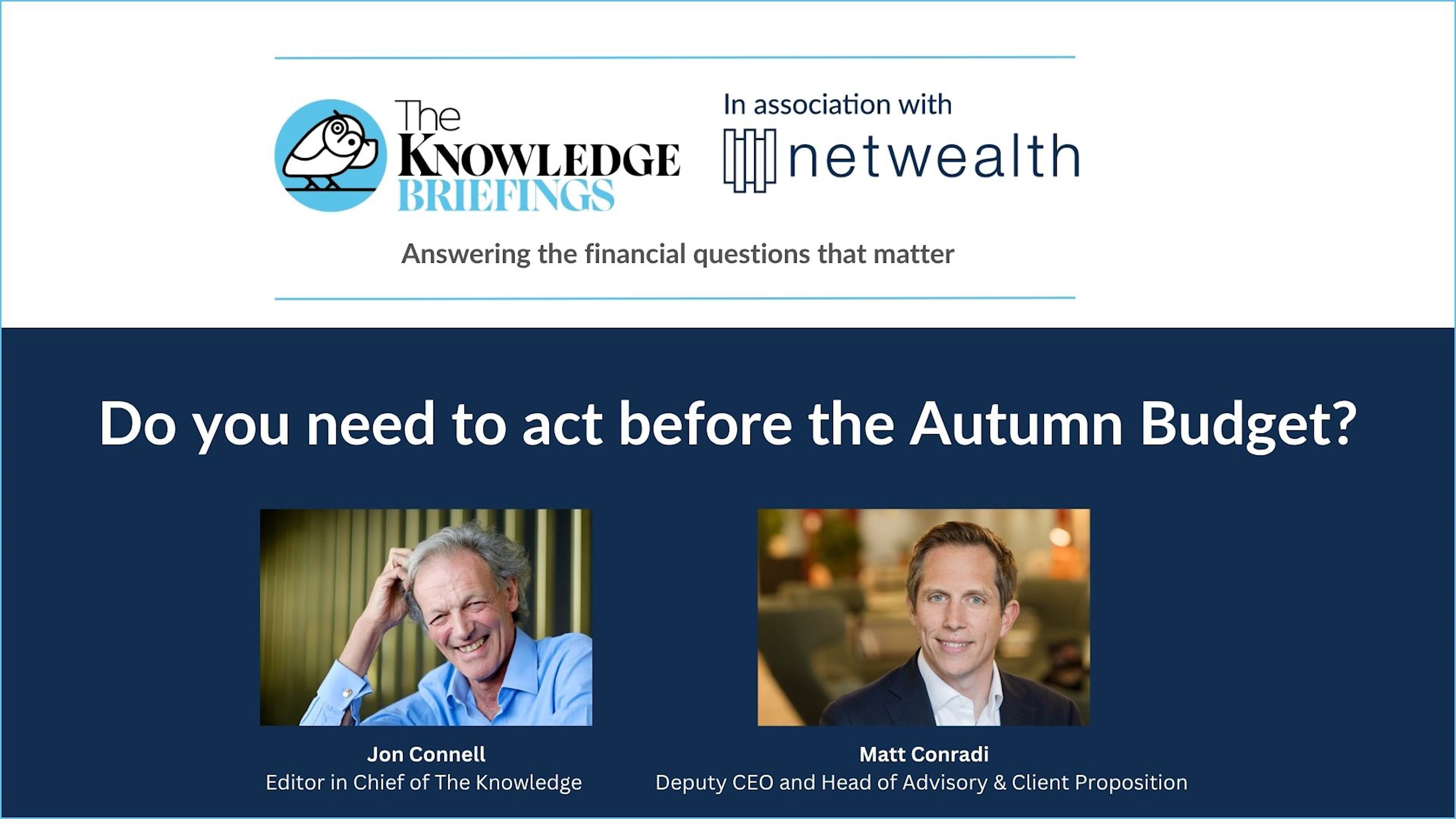
Planning with confidence amid Budget uncertainty

With speculation ahead of the Autumn 2026 Budget mounting, rumours of tax and pension changes are once again dominating the headlines. While uncertainty is inevitable in the run-up to a Budget, reacting to speculation alone can be costly.
What changes are being discussed?
The government finds itself in a difficult position. Despite creating some fiscal headroom in recent budgets, it is once again having to balance spending ambitions against the revenue it generates. As a result, further tax changes are widely expected in the upcoming Budget. Among the measures being discussed are increases to capital gains tax, potentially bringing rates closer to those applied to income, which would represent a significant change. There has also been speculation around pensions, including possible reforms to tax-free cash allowances, contribution limits, or the tax relief available on contributions. Other ideas that have been suggested include wealth taxes and changes to property taxation. However, it is important to remember that while many proposals will be debated in the run-up to the Budget, not all will necessarily be implemented.
When do you need to act?
One of the most common questions in the run-up to a Budget is whether investors should take action now. With speculation around potential tax changes, it can be tempting to make decisions based on what might happen, whether that's gifting money to children sooner than planned or drawing tax-free cash from a pension before any potential rule changes. In most cases, however, the answer is to avoid rushing into action. Significant changes are rarely implemented immediately, and investors are usually given time to adapt once details are confirmed.
That said, there may be circumstances where bringing forward an existing plan makes sense. For example, if you were already intending to sell an asset in the near future, acting before the Budget could reduce the risk of being affected by any changes to Capital Gains Tax rates. Similarly, someone who was already planning to retire and access tax-free cash as part of a clearly defined financial plan may decide to proceed sooner rather than later. The key distinction is that these are decisions that were already being considered, not reactions driven by uncertainty.
The greatest risk is making a short-term, emotionally driven decision that later proves difficult to reverse. Passing wealth to children, for example, should be based on a genuine desire to transfer assets, confidence that the recipients are ready to receive them, and certainty that the money will not be needed in the future. Budget speculation alone is rarely a good reason to make such a significant decision. Rather than reacting to headlines, investors should focus on their long-term plan, consider whether any actions align with their existing objectives, and remember that sometimes doing nothing is the most sensible course of action.
What has changed for pensions, and what could it mean for passing wealth to your children?
This means it may be worth reviewing how your pension fits into your broader financial plan. It's also important to keep an eye on the £2 million estate threshold, beyond which the Residence Nil Rate Band begins to taper away, potentially affecting those intending to pass on a family home. While these changes may require careful planning, there is no need for a knee-jerk reaction. The rules are not due to take effect until April 2027, and inheritance tax planning is typically something that should be considered over many years rather than in response to short-term speculation. As with any potential Budget changes, the key is to stay informed and ensure your plans continue to reflect your long-term objectives.