Steady rates, rising questions: the MPC holds course on Bank Rate and QT
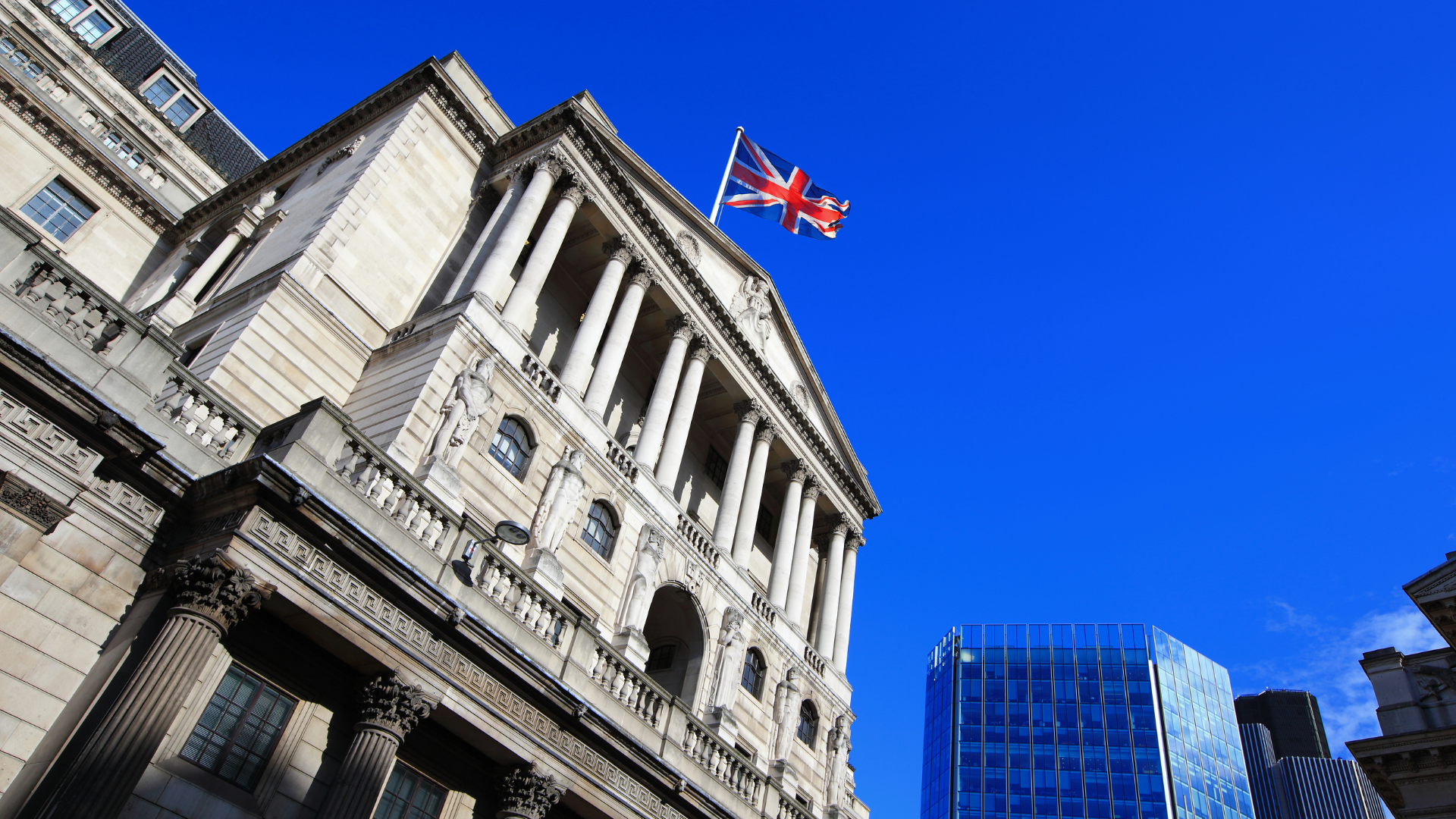
The Bank of England’s Monetary Policy Committee delivered two predictable decisions at its September meeting. It kept Bank Rate unchanged at 3.75 percent. The 6-3 vote was in line with its previous meeting, with three members again voting for an immediate hike. The MPC also voted unanimously to maintain its multi-year plan for Quantitative Tightening (QT), reducing its stock of gilts through annual average sales of £20 billion alongside maturing gilts.
The Bank has a poor record of keeping inflation in check. The minutes suggest a bias to tighten, with monetary policy now war-contingent and focused on second-round effects as the economy adjusts to the scale and duration of the energy shock. With consumer price inflation at 3.1 percent, energy accounts for 0.7 percentage points of the current 1.1 percentage point overshoot. I would not be surprised by a hike soon to 4 percent, but aggressive tightening is not yet needed. Interest-rate-sensitive sectors such as construction and housing are moribund and second-round effects appear limited. Monetary policy is already fairly restrictive.
QT was initially presented by the Bank as a technical exercise. It has proved anything but. It has contributed to higher borrowing yields and increasingly blurred the distinction between monetary and fiscal policy.
With Bank Rate remaining the active policy tool to control inflation, gilt sales are aimed at avoiding disruption to financial markets. The Bank will retain its longest-dated gilts in the Asset Purchase Facility rather than sell them into the market. More significantly, it is considering selling gilts that the market may not easily absorb directly to the Government via the Debt Management Office. This is a striking illustration of how QE, and now QT, have blurred the boundary between monetary and fiscal policy. This raises important institutional questions and the minutes even note a “robust discussion” about the impact on monetary policy independence.
The MPC has opted for predictability in its decisions on both Bank Rate and QT. That leaves it vulnerable to criticism that it is being too passive when current inflation and borrowing concerns might call for a more proactive response. The markets are expecting a hike in Bank Rate to 4 percent at the next MPC meeting in early November. And given the upward pressure on bond yields, the MPC could have suspended active gilt sales and allowed the portfolio to run down through maturities.
This article is for informational purposes only and does not constitute financial advice. This is the opinion of Gerard Lyons as of 18 September 2026.