Are you striking the right balance?

Securing tomorrow - without putting today on hold
By the time you reach your late 40s or 50s, life can feel busy but broadly comfortable. You’ve built a solid career, supported your family, and accumulated meaningful savings. On the surface, things look on track.
And yet, a familiar question often lingers:
Am I striking the right balance between enjoying life today and securing the future I want?
It’s a question many highly capable people ask - not because they’re doing anything wrong, but because with success often comes complexity, responsibility and a heightened awareness of what’s at stake.
Hidden challenges: when everything feels fine - but unclear
At this stage of life, it’s common for finances to be spread across multiple pensions, ISAs and savings accounts. You probably still have a mortgage, and children who are at university or preparing to leave home. Individually, each decision has made sense. Collectively, however, it can be hard to see how everything fits together.
Even if you’re financially literate, understanding whether your money is truly aligned to your life - both now and in the years ahead - isn’t always straightforward. We often see people stuck in a kind of financial limbo: knowing they should review things, but unsure where to start or what really matters most.
Emotional barriers: it’s not just about the numbers
The challenge isn’t purely practical. Time is limited, energy is stretched, and the fear of making the wrong decision can quietly hold you back. When the consequences of doing nothing aren’t immediately obvious, it’s easy to defer action.
Over time, however, inaction can create its own risks. Missed tax allowances, cash sitting idle, portfolios that haven’t been reviewed, or fees that quietly compound - all can erode future options and confidence, often without being noticed day to day.
Common pitfalls to be aware of
As you think about rebalancing your finances, these are some of the most common issues we see:
-
Scattered investments
Multiple pension pots, ISAs and savings accounts can make it difficult to track progress or understand how your money is really working together. -
Being overly cautious
Holding too much in cash or low‑risk assets may feel safe, but over time it can mean your money fails to keep pace with inflation. -
Paying more than you realise in fees
Charges are easy to overlook, yet they can have a significant impact on long‑term outcomes. -
No clear, joined‑up plan
Without a clear strategy, it’s hard to know when you could afford to retire, or how much support you can give your children without compromising your own future. -
Delaying decisions
Even small delays can mean missed growth, lost tax efficiency, or fewer options later on.
What to consider before you rebalance your finances
The question isn’t whether you should live for today or plan for tomorrow. Most people want - and need - to do both. The challenge is finding a balance that reflects your values, your family, and what really matters to you.
Information alone rarely provides that clarity. A spreadsheet might show where you are today, and projections can model different futures, but they don't work with you to find the answers to the deeper questions.
This is where structured advice can help. An experienced adviser can turn analysis into a balanced plan - one that accounts for uncertainty, gives you confidence in your decisions, and helps you move forward without waiting for a “perfect” moment.
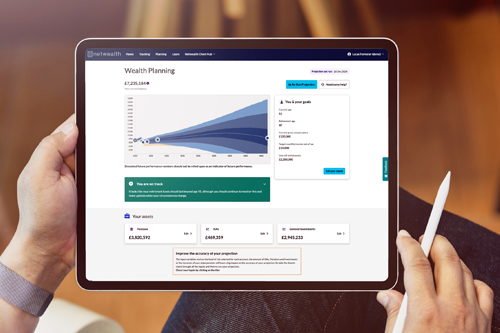
If you'd like help making sense of where you are today and what your next step could be, we're here to help.
 Finding your financial balance is easier with the right help. Explore more resources and find out how we can help you. |
 Book in a 30-minute complimentary call with one of our specialists. |
When investing your capital is at risk. This article is for informational purposes only and does not constitute personal financial advice.