The sneaky way investment firms are making money from you
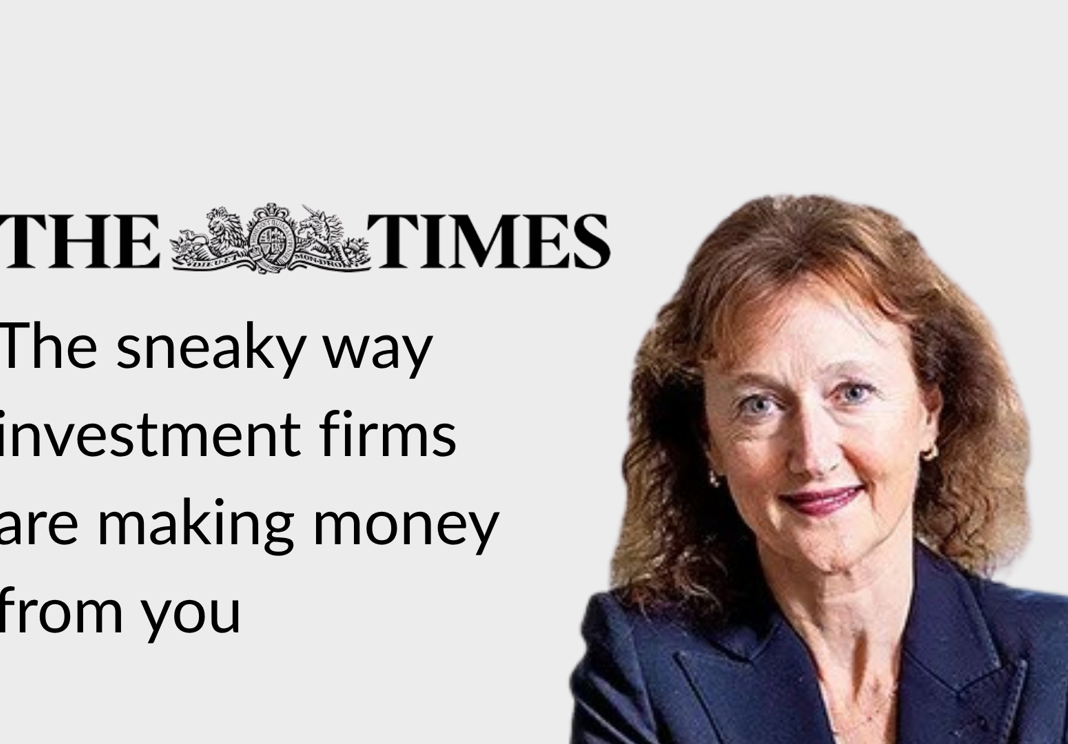
This article was originally published in The Times on 6 April 2026. It explores the importance of being aware of fees involved with DIY investing platforms.
The boom in DIY investment platforms has undoubtedly transformed the way people engage with their finances. With more choice than ever and frictionless access to markets, millions of investors who relish making their own decisions have flocked to these platforms in search of autonomy, efficiency and control.
This democratisation of investing is something to be celebrated. We have long been hesitant to engage actively with our money and the rise of self-directed platforms, alongside trading apps and newer digital services, has created an accessible entry point for those looking to invest independently.
But there is a cost that might go unnoticed. Because stocks and bonds rarely trade in exact round amounts, any excess funds are left uninvested, in cash. Over time, these leftover balances create a gap between what you intended to invest and what actually gets put to work. The result? Cash that sits idle in your account — potentially for longer than intended.
What happens to that cash is where things get interesting. Although platforms will often compete on low-headline investment transaction costs, behind the scenes they earn interest on the aggregate balances held on behalf of their customers. Yet they typically pass on only a fraction of that interest. The difference, or “spread”, can be substantial.
Annual reports from the UK’s largest platforms indicate that they keep about 2 per cent of the interest generated on overall customer cash balances, quite a feat when Bank of England rates peaked at just over 5 per cent. That’s revenue for the platform and a direct, yet often invisible, cost to you.
The issue is not that these platforms make money. Commercial enterprises should be paid for the services they provide and any company claiming to operate for nothing warrants close scrutiny — none truly does. The concern is transparency. Investors deserve to understand how financial businesses generate their profits, particularly when those profits derive from our assets. This has been a focus of mine for more than a decade, as costs — whether explicit fees or opaque charges — inevitably compound to shape long-term outcomes.
Encouragingly, the regulator agrees. The Financial Conduct Authority has steadily raised expectations on customer fairness, transparency and value for money. Last summer it requested detailed information from financial advice firms about their business models and service propositions. More recently, platforms have been asked to provide data on cash interest practices, among other metrics. That review may lead to reforms. In the meantime, investors may want to conduct a review of their own.
Keeping a modest cash buffer can be sensible if you are weighing up your next move. But larger or lingering balances act as a drag on long-term performance. The yield gap between what platforms pay and prevailing market interest rates adds up quickly: for example, sacrificing 2 per cent on £10,000 costs £200 a year, on £20,000 that mounts to £400 a year and so on. That is money that could either be invested productively or be earning a higher return elsewhere. And that’s before considering inflation, which erodes the real value of cash. If your cash is underperforming on a platform, you’re falling further behind than you may realise.
Of course, short-term cash balances are sometimes justified: preparing to invest, planning withdrawals or pausing during bouts of market volatility. But beyond these situations, excess cash typically reflects inertia rather than strategy — and inertia is expensive. History shows that staying invested, rather than sitting on the sidelines, is one of the most powerful drivers of wealth creation. Idle cash does not participate in market growth; instead, it quietly dilutes returns.
Now is a good moment for investors to log into their platforms and ask themselves why they have cash sitting there. Mental accounting can make platform cash feel separate from the rest of your financial picture, but the drag is real whether you notice it or not. And doing nothing is itself a choice, with a price tag.
If cash balances are high, investors could earn far more by moving it to a dedicated savings account or into money market funds. Or, for those with an eye on investing into the markets but hesitant about timing, a staggered approach can ease anxiety while steadily reducing an overly large cash position.
The bottom line: a little cash on a platform is practical. Too much can cost you hundreds or even thousands of pounds a year — and much of that value is otherwise retained by the platform. By keeping only what you genuinely need in the short term, and saving or investing the rest with greater intention, you can reduce cash drag and improve the long-term financial outcomes you are working so hard to achieve.
This article is for informational purposes only and does not constitute financial advice. This is the opinion of Charlotte Ransom as of 8th April 2026 and if you are unsure as to whether disinvesting or investing is suitable for you, please seek advice.
Your eligible cash deposits are protected up to £120,000 by the Financial Services Compensation Scheme (FSCS). Investments are protected up to £85,000 if the firm fails. FSCS protection does not cover investment performance, so the value of investments can go down as well as up.