UK Budget 2025: Navigating a High Tax, High Spend, High Borrowing Landscape
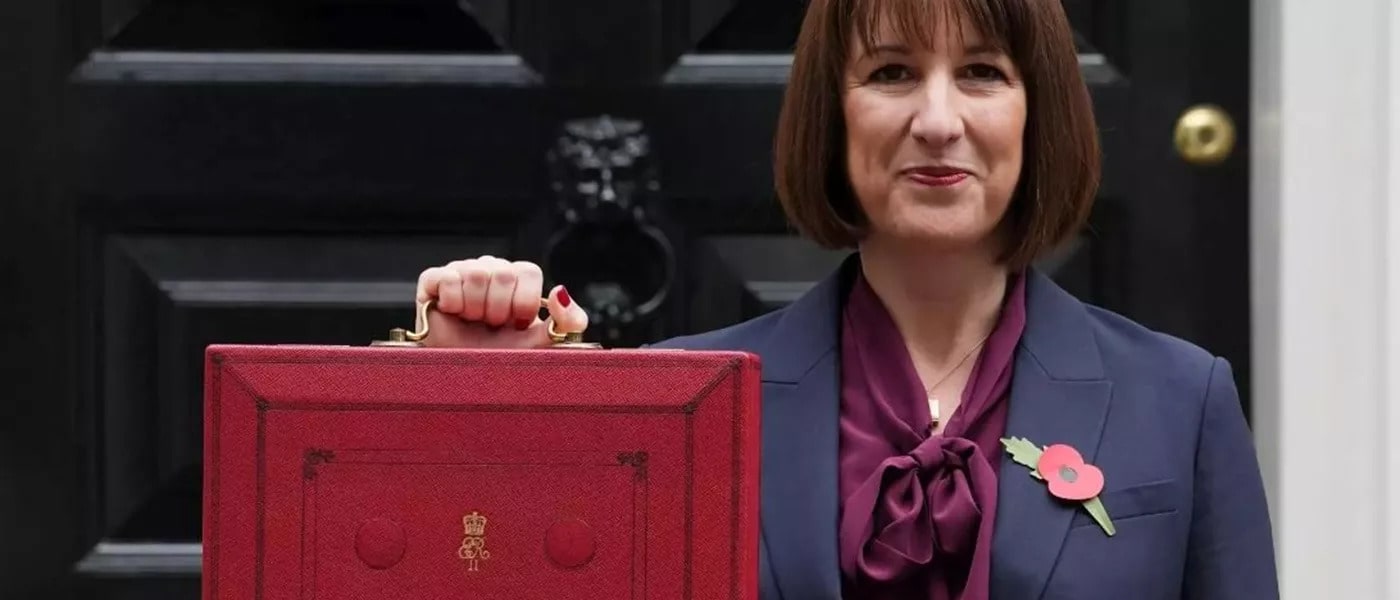
The UK’s 2025 Budget, delivered against a backdrop of political uncertainty and economic headwinds, has left investors, businesses and individuals searching for clarity on what comes next. To help make sense of the key themes, we’ve brought together insights from our experts - Gerard Lyons, Iain Barnes and Matt Conradi - on the implications for markets, policy and personal finance.
Politics vs. Economics: What’s Driving the Budget?
As Gerard Lyons highlights, while budgets immediately before elections are typically dominated by politics, it’s unusual for the first and second budgets after an election to remain so politically driven. Yet, that’s exactly what we’ve seen. The Chancellor’s decision to raise taxes wasn’t just about creating fiscal headroom - it was also about funding increased public spending. The result? The UK now finds itself as a high tax, high spend, high borrowing economy, with little sign of change on the horizon.
Market Reaction: Risk Avoided, But Growth Concerns Remain
Iain notes that, from a market perspective, the Budget was a “risk event avoided”. High government bond yields in 2025 have meant higher borrowing costs, reflecting concerns about fiscal credibility and persistent inflation. The good news: yields fell after the Budget, signalling improved confidence in the UK’s fiscal position. The pound strengthened, and immediate worries about bond supply faded. However, the Budget did little to address underlying concerns about future growth, and UK equities remain undervalued compared to global peers, with no clear catalyst in sight.
What Does It Mean for You?
Matt brings the focus to personal finance. Despite speculation, the Budget didn’t introduce major changes to pensions or inheritance tax - though recent reforms in these areas still matter. For savers, the message is clear: you may have a little less in your pocket, and the environment for building up your pension pot is more challenging. Now, more than ever, it’s crucial to focus on what you can control: having a plan, staying invested for the long term, using tax wrappers like ISAs, and minimising investment costs. These steps will help you stay on track, even as the fiscal environment remains tough.
Please note that this article is for informational purposes only and should not be relied upon as financial advice.